
Gabor patterns: carefully controlled detail
Fine stripes inside a simple pattern. Adjusting their contrast, size and orientation gives the weaker eye practice with detail it finds hard to distinguish.

Visual training for amblyopia (lazy eye)
NAYIR is a visual training program for adults and children with amblyopia. It uses Gabor patches and perceptual learning to practise distinguishing detail and contrast, under your clinician’s supervision. Individual assessment and follow-up determine whether it suits your situation.
Read about symptoms, diagnosis, treatment and the difference from strabismus, with sources and questions to take to your clinician.
GABOR PATCHES & PERCEPTUAL LEARNING
Amblyopia also affects how the brain processes an image. NAYIR uses Gabor patterns and perceptual learning to work on fine detail and contrast through regular practice.
Fine stripes inside a simple pattern. Adjusting their contrast, size and orientation gives the weaker eye practice with detail it finds hard to distinguish.
Specific studies have investigated whether perceptual training can improve some vision measurements. Their results apply to the participants and protocols studied; they do not establish NAYIR’s effectiveness or predict your outcome.
Read the evidence and its limitsSessions to practise visual tasks at home, with a clinician discussing your measurements and following your condition.
Try the keyboard arrows. Each press shows a new pattern. Esc to leave.
Press Start, or use Tab to focus the pattern area.
Notice the pattern’s orientation
Find the pattern within the noise
Focus on the pattern in the centre
A NEW STEP FOR YOU OR YOUR CHILD
Research on Gabor-pattern training has shown improvements in visual acuity and contrast sensitivity in adults with amblyopia. Reaching adulthood does not have to mean the end of opportunities to improve your vision.
Find out how to start with NAYIRVisual learning extends beyond childhood. Perceptual-learning studies have reported acuity and contrast improvements in teenagers and adults.
NAYIR turns use of the weaker eye into active practice, using Gabor patterns and perceptual learning in a program followed by your clinician.
The program works on fine detail and low-contrast patterns, giving you a way to pursue progress beyond simply logging patching hours.
Passive use of the weaker eye: the patch covers the stronger eye, but by itself does not provide targeted practice with fine detail and contrast.
Patching can bother a child and make studying and everyday activities harder.
Some children resist the patch or feel self-conscious around others. Skin irritation and difficulty sticking to the routine can also occur.
Active Gabor-pattern and perceptual-learning training aims to improve visual acuity, contrast sensitivity and fine-detail discrimination.
A structured home program with progressive exercises and breaks. The patch required for training is worn during the session.
Your clinician can review session records and follow-up measurements to track progress and tailor the plan to your situation.
NAYIR FOR YOU
For yourself or your child, in your clinic or in your research: explore how NAYIR can help.
Visual training can offer opportunities beyond childhood. Discover how NAYIR works on fine detail and contrast in adults.
Explore NAYIR for adultsThe patch needed for NAYIR is worn during the home session, keeping the training routine separate from playtime. Your child’s clinician decides whether their plan also needs additional patching.
Explore NAYIR for your childAdd perceptual-learning training to your patient care and use all visual assessments offered by NAYIR free of charge through your clinic account.
Explore NAYIR for clinicsWant to test a treatment protocol? Work with us on the platform and training and measurement tools that make your study easier to run.
Discuss collaborationCLEARER VISION, FINER DETAIL
Amblyopia can make small or faint details harder to distinguish. NAYIR aims to train visual skills and track changes through measurements with your clinician.
With amblyopia, small letters may look incomplete or crowded, and some details can be hard to distinguish. NAYIR trains you to distinguish fine detail to improve visual acuity.
Move the divider or use the keyboard arrow keys
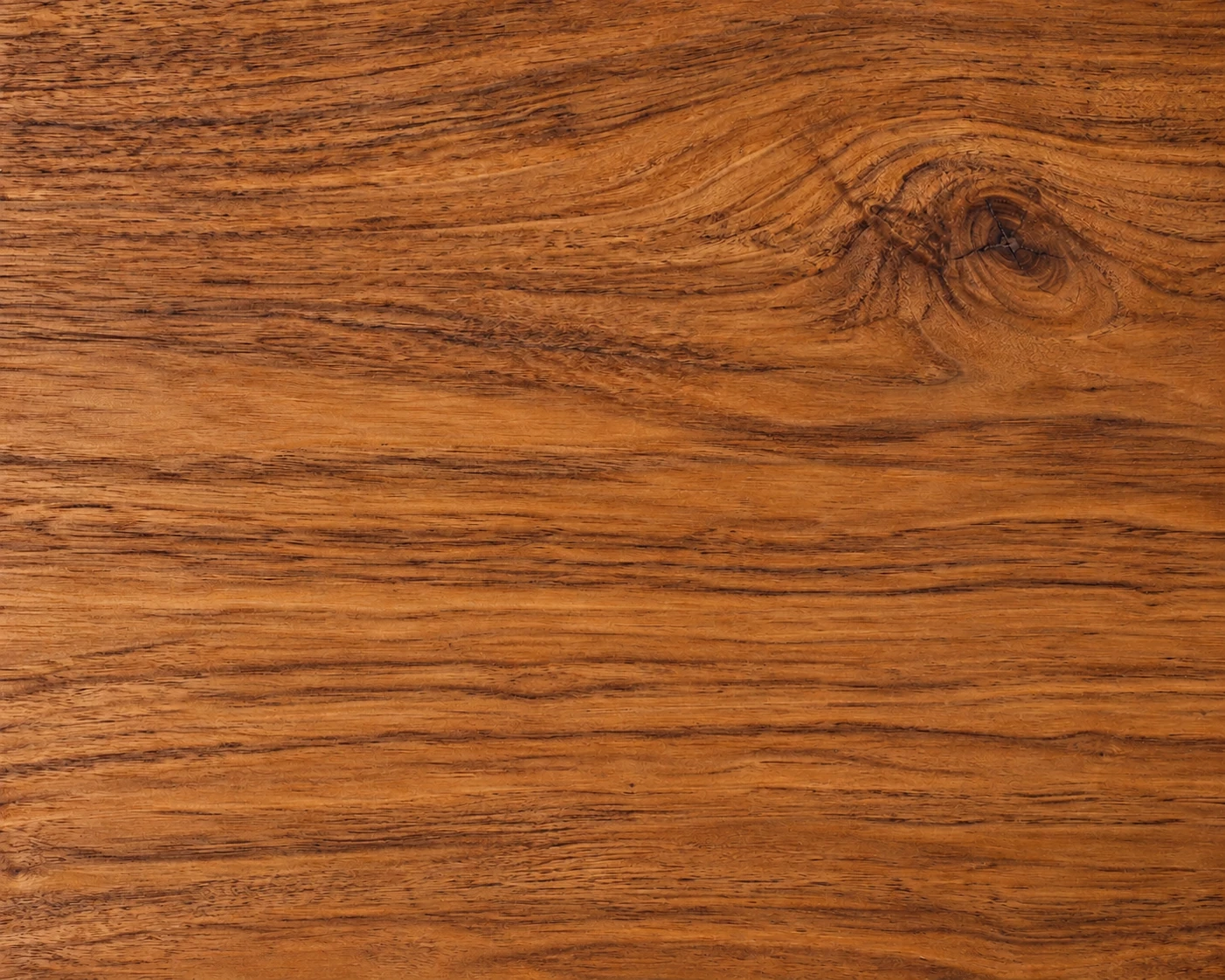
Your ability to notice subtle detail, such as wood grain. Reduce the contrast to make the detail fainter while preserving the wood’s colour and saturation.
KNOW YOUR NEXT STEPS
Begin with visual assessments and device setup, including acuity measured by your clinician.
Four sessions each week on the days you choose, with rest days in between. The program organises exercises and breaks within each session.
Review your vision measurements each month and revisit your plan based on your response.
A SIMPLE SETUP BEFORE YOU START
Your setup guideWith physical arrow keys
To set the on-screen size
To measure eye-to-screen distance
BUILT ON A RESEARCH IDEA
The brain can learn to distinguish visual detail it previously found difficult. Research on perceptual learning and Gabor patterns supports this principle and informs the NAYIR program.
SYSTEMATIC REVIEW · 2025
Adults showed better visual acuity after training, supporting opportunities to improve vision beyond childhood. A review covering 22 studies and 422 adults reported this result.
Read the studyGABOR STUDY · 2004
Gabor-pattern training improved visual acuity and contrast sensitivity: the ability to distinguish smaller detail and fainter patterns. The 2004 study included participants aged 9 to 55.
Read the studyPILOT STUDY · 2009
Children who had not achieved the desired result with patching improved in visual acuity and contrast sensitivity after perceptual-learning training. This small pilot of five children offers a reason to discuss additional options with your child’s clinician.
Read the studyThese studies examine the Gabor and perceptual-learning techniques that inform the NAYIR program.
Research details for cliniciansThe program is intended for adults and children with amblyopia. Suitability starts with diagnosis, vision measurements and the ability to understand tasks and respond independently.
Yes. Training uses a patch over the other eye and your prescribed glasses, according to your instructions. NAYIR adds progressive visual tasks and performance tracking throughout the program.
Training requires a laptop or desktop and a physical keyboard with arrow keys. You will also need a ruler to set the on-screen size and a tape to measure viewing distance.
The initial plan is four weekly sessions for around three months. Each session includes 60 minutes of active practice, or about 72 minutes including breaks, with monthly clinician follow-up.
You can join through your clinician contacting us or through research programs arranged with hospitals. The NAYIR team will explain the location, availability and assessments needed before you begin.
Clinics and hospitalsNEAR YOU
Find the place and how to contact it before arranging your visit.
Ask the NAYIR team about places available in your city and how to contact them.
Ask about availabilityYOUR NEXT STEP
Learn about joining and the next step to start with NAYIR.
Current access through the research program is temporary. We are preparing for a public launch soon.